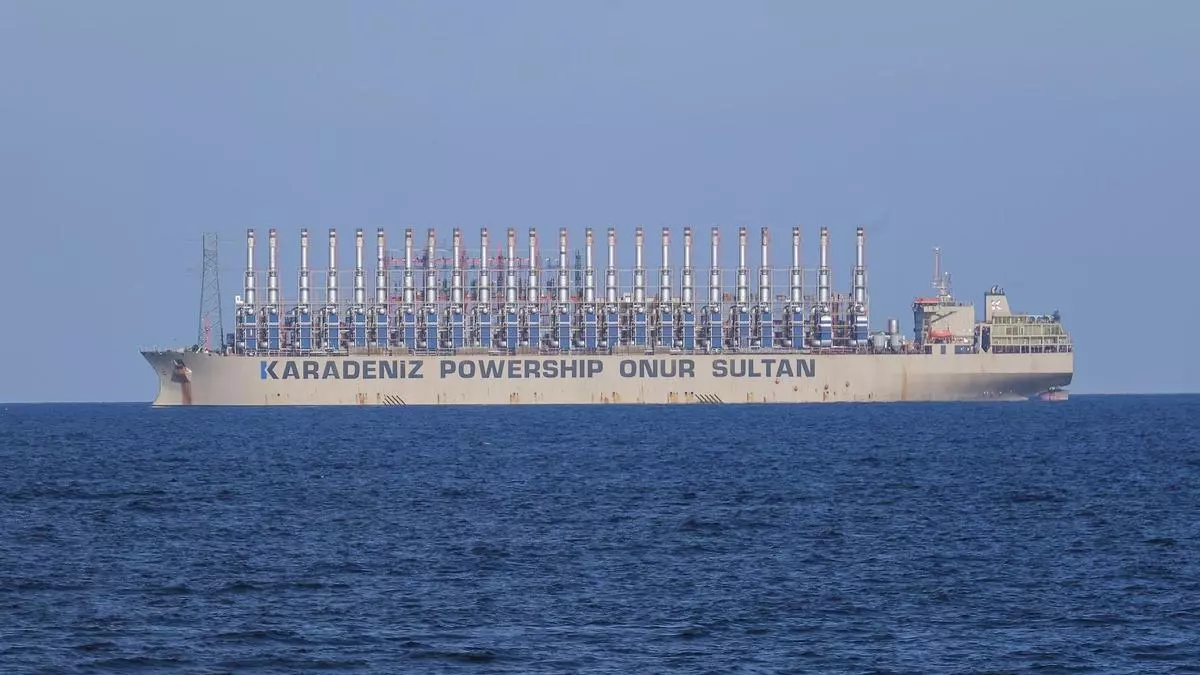
Fears over threats to the environment and health in the heart of Las Palmas prompt petition

La decisión del Gobierno de Canarias de instalar en el Puerto de Las Palmas una central eléctrica flotante ha generado el rechazo de vecinos y ecologistas que han iniciado una campaña en la plataforma change.org alertando de que “una amenaza ambiental y sanitaria se cierne” en “el corazón de Las Palmas de Gran Canaria”. Citation: La Provincia.
“The decision of the Government of the Canary Islands to install a floating power plant in the Port of Las Palmas has generated the rejection of neighbours and ecologists who have started a campaign on the change.org platform warning that ‘an environmental and health threat is looming” in “the heart of Las Palmas de Gran Canaria’.”
Nos dirigimos a ustedes con profunda preocupación y un llamado urgente a la acción. En el corazón de Las Palmas de Gran Canaria, una amenaza ambiental y sanitaria se cierne sobre el puerto de La Luz. En el contexto de lo vivido con la oposición vecinal que logró detener la planta de gas propuesta por Totisa, nuevamente enfrentamos un formidable desafío motivado por decisiones de planificación energética que consideramos insostenibles. Citation: change.org
“We address you with deep concern and an urgent call to action. In the heart of Las Palmas de Gran Canaria, an environmental and health threat looms over the port of La Luz. In the context of what happened with the neighbourhood opposition that managed to stop the gas plant proposed by Totisa, we again face a formidable challenge motivated by energy planning decisions that we consider unsustainable.”
Call to stop the project
José Sansón afirma que este barco «no lo quieren ni los vecinos de la isla, ni los agentes del puerto, ni trabajadores, ni empresarios, ni los administradores del puerto, ni nosotros, ni los ecologistas». Por este motivo, a través de change.org hacen un llamamiento al “compromiso y tenacidad” de los grancanarios para que se unan a esta iniciativa y otro “fuerte y claro a las autoridades a reevaluar y desistir de esta propuesta. Creemos firmemente que existen alternativas sostenibles que no comprometen nuestra salud ni la del medio ambiente. Es esencial buscar soluciones innovadoras que prioricen las fuentes de energías limpias y renovables, contribuyendo así a un futuro más saludable”. Citation: La Provincia.
“José Sansón states that this ship ‘is not wanted by the neighbours of the island, nor by port agents, or workers, or entrepreneurs, nor by the port administrators, nor by us, nor by the ecologists.’ For this reason, through change.org they appeal to the ‘commitment and tenacity’ of the Gran Canaries to join this initiative and another ‘strong and clear to the authorities to reevaluate and desist from this proposal. We firmly believe that there are sustainable alternatives that do not compromise our health or that of the environment. It is essential to seek innovative solutions that prioritize clean and renewable energy sources, thus contributing to a healthier future.’”
Change.org applies public pressure but has no legal power to mandate government action
Petitions created on change.org often make the news, but tend to not make government policy: they can influence politicians to some degree, and they can be ignored.
Change.org based petitions raise public awareness of a campaign, but their lack in being able to force government action essentially renders them politically powerless.
Why the need for more power?
It’s an island with an aging infrastructure, a population exceeding 2.25 million which has grown around 31% since 2000, and masses of tourists visiting each year.
Those in favour of the floating power station, like the island’s government, Gobierno, and energy grid operators argue it’s the only viable short-term option to stabilise the island’s growing energy needs.
The opposing side express health concerns and argues that burning fossil fuels to create energy is counterproductive to European climate goals.
Source: